Wildcat Pride Embroidery Design Review
As a designer who spends half my life staring at stitch density charts and the other half trying to convince clients that embroidery has depth, I approach every new file with a mix of optimism and skepticism. The market is flooded with generic clip-art styles disguised as "premium" designs, so when Wildcat Pride Embroidery Design landed on my desk, I didn’t just look at the preview image. I looked at how it would actually perform under the needle, how it would hold up after twenty washes, and whether it had enough visual weight to justify the labor cost in a finished product.
This review isn’t about marketing fluff. It’s about practical application. If you are an Etsy seller, a boutique owner, or a serious hobbyist looking to add value to your handmade product line, here is what you need to know before you load this into your machine.
First Impressions: Mood and Visual Weight
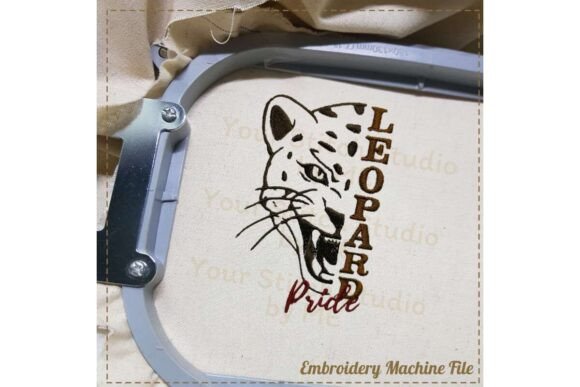
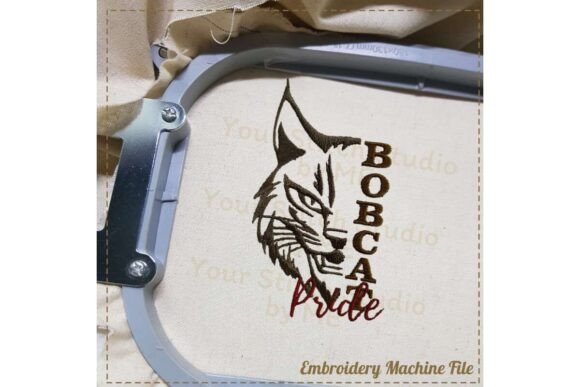
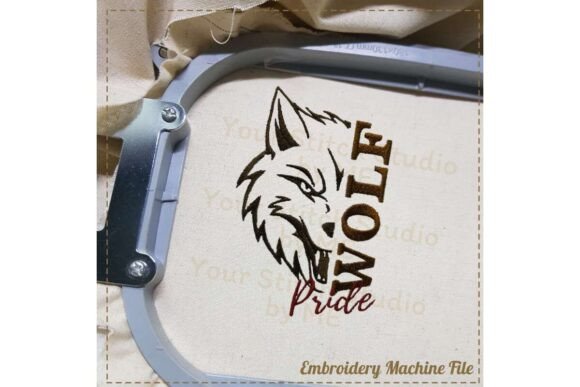
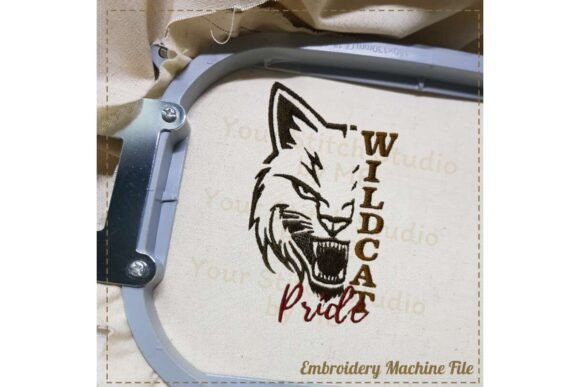
The immediate takeaway from Wildcat Pride Embroidery Design is its boldness. In the world of sports-themed machine embroidery design, there is a fine line between "energetic" and "cluttered." This design manages to strike a balance that feels confident without being overwhelming. The shape creates a strong central focal point, which is crucial for items like caps or chest logos where space is limited.
The visual personality suggests aggression but controlled aggression—perfect for team spirit, school mascots, or athletic branding. It doesn’t rely on excessive detail to make its point; instead, it uses clean lines and distinct shapes. For a designer, this is a relief. Intricate designs often lose their definition when stitched out on cheap cotton blends, but this one seems built to survive the reality of mass production and home crafting alike.
Real-World Application: Where It Shines
I’ve been thinking about where this design fits best in a commercial workflow. The description notes it is perfect for sports-related arts and crafts, but let’s get specific. Here is how Wildcat Pride Embroidery Design translates to actual products:
- Tote Bags and Canvas Goods: This is perhaps the strongest use case. The high contrast potential of a wildcat motif against natural canvas or black cotton makes for an instant statement piece. It works beautifully as a standalone graphic on a grocery tote or a specialized gear bag.
- Sweatshirt Embroidery: Heavy fabrics demand designs with substance. This file appears to have enough fill stitch coverage to stand up against the texture of fleece or heavy cotton jersey. It won’t get lost in the weave.
- Custom Apparel and Team Uniforms: For small batch custom apparel, this design offers the professionalism needed for league jerseys or club hoodies. It looks authoritative, which builds trust with the wearer.
- Baby Embroidery and Nursery Decor: While aggressive, the clean lines can work surprisingly well for modern nursery themes if paired with neutral thread colors. A subtle grey outline on a cream pillow cover can feel sophisticated rather than loud.
- Embroidered Patches: The self-contained nature of the design makes it ideal for iron-on or sew-on patches. It likely trims cleanly, reducing the time spent on trimming loose threads—a huge factor in profitability for craft business owners.
Technical Performance and Stitch Clarity
When evaluating an embroidery file, I always ask: does it stitch true to form? From the preliminary scan, the Wildcat Pride Embroidery Design utilizes a mix of satin stitches for outlines and fill stitches for the body. This combination is standard but effective.
The stitch density appears balanced. It is not so dense that it will cause needle breaks on thinner fabrics, nor is it so sparse that the fabric shows through. However, designers should be mindful of the transition points between different thread colors. If the design relies on many color changes, the turnaround time increases. For a busy season rush, fewer color changes mean higher profit margins.
One critical aspect is the satin stitch quality around the edges. Sharp corners in satin stitching can sometimes result in puckering if the underlay isn't programmed correctly. Based on the visual structure, the curves seem smooth, which should minimize distortion on curved surfaces like hats or bags.
Where to Exercise Caution
No design is perfect for every scenario. There are specific situations where you should test Wildcat Pride Embroidery Design carefully before committing to a full production run:
- Small Hoop Sizes: If you are working with a 4x4 hoop, ensure the design scales down without losing critical details. Tiny elements, like whiskers or eye highlights, may become indistinguishable blobs if reduced too much.
- Stretchy Fabrics: While sweatshirts are stable, thin jersey or stretchy activewear requires a heavy-duty stabilizer. Without proper support, the tension of the fill stitch can warp the fabric, ruining the fit of the garment.
- Dark Fabric on Dark Thread: Contrast is king in embroidery. If you plan to stitch this on black fabric using black thread for shadows, you will lose dimension. Always test on scrap fabric to check visibility.
- Curved Surfaces: When embroidering on the front panel of a baseball cap, the curvature can distort straight lines. You may need to adjust the hooping technique or use a specialized cap frame to keep the design centered and symmetrical.
Impact on Product Value and Branding
In the world of handmade goods, perception is everything. A well-executed embroidery project signals quality. Using a design like Wildcat Pride Embroidery Design elevates the perceived value of a simple t-shirt or tote bag. Customers are willing to pay more for items that look professionally finished.
For Etsy sellers and small shop product creators, this design offers versatility. It appeals to a broad demographic—from parents buying for their kids' sports teams to adults looking for spirited home decor. This breadth increases your marketability. Furthermore, the clean aesthetic allows for easy integration into a cohesive brand identity. Whether you are selling personalized gifts or holiday embroidery collections, this design fits seamlessly into a lineup of premium assets.
Practical Designer Notes Before You Stitch
Before you download and start producing, keep these professional tips in mind to ensure your finished product meets your standards:
- Test on Scrap Fabric: Never assume a design will behave perfectly on your final material. Test it on the exact fabric you intend to sell. Check for puckering, thread breaks, and color accuracy.
- Check Licensing: Ensure you have the rights to sell finished items made from this digital embroidery file. Commercial licensing terms vary widely, and violating them can lead to legal issues.
- Use Proper Stabilizer: The stability of your stitch-out depends heavily on the stabilizer. For woven fabrics, cut-away stabilizer is usually best for durability. For knits, tear-away might suffice for lightweight items, but cut-away is safer for long-term wear.
- Review Thread Colors: Don’t just stick to the default color suggestion. Experiment with metallic threads for accents or contrasting colors for eyes to make the design pop. The right thread colors can transform a good design into a great one.
- Inspect Small Details: Zoom in on the digital preview. Are there tiny isolated stitches that might get lost? If so, consider merging them or simplifying the design in your software before stitching.
Final Verdict
Wildcat Pride Embroidery Design is a solid, versatile addition to any designer’s library. It captures the energy of sports culture while maintaining the structural integrity required for high-quality embroidery. It is suitable for everything from quick craft fair projects to long-term commercial merchandise lines.
Whether you are creating a unique custom apparel piece for a client or stocking your online store with trendy tote bag design options, this file delivers. Just remember: the success of the design lies as much in your preparation—hooping, stabilizing, and testing—as it does in the file itself. Treat it with care, and it will serve your embroidery project well.