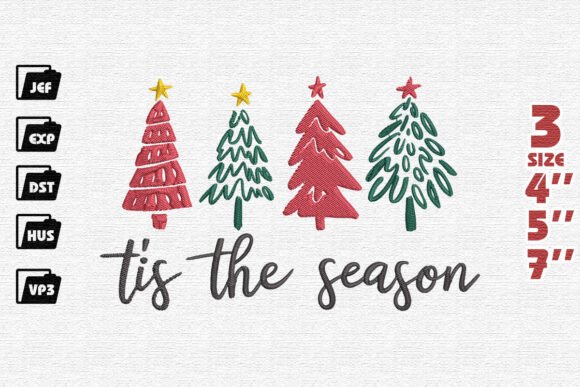
Tis the Season Embroidery Review
As an embroidery designer who spends more time in front of my hoop than on social media, I have developed a keen eye for what actually sells at a craft fair versus what just looks pretty in a digital mockup. When evaluating a new machine embroidery design like Tis the Season, Festive Christmas Embroidery, I am not just looking at the art; I am looking at production viability, customer appeal, and the "booth factor." This review breaks down how this specific embroidery file performs when translated into tangible craft fair products.
First Impressions and Visual Appeal
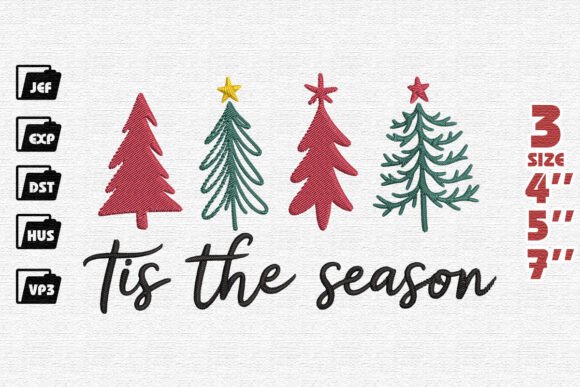
The title Tis the Season, Festive Christmas Embroidery immediately signals a traditional, warm aesthetic. From a designer’s perspective, this suggests a design that leans towards rustic or farmhouse charm rather than ultra-modern minimalism. The phrase "adding a touch of love and seasonal beauty" implies soft lines and perhaps some decorative elements that feel hand-crafted, even if executed by a machine.
In a crowded market booth, first impressions happen in seconds. A design with clear legibility and festive warmth stands out. If this design features bold lettering combined with classic holiday motifs, it will grab attention faster than intricate, tiny details that require a customer to lean in close. For a handmade product to sell quickly, the message must be readable from three feet away. This design appears to strike a balance between decorative flair and clear messaging, making it ideal for customers looking for instant holiday cheer.
Product Versatility: Where It Shines
One of the biggest mistakes small shop owners make is limiting their inventory to one or two items. To maximize sales, you need designs that work across multiple categories. Here is how Tis the Season, Festive Christmas Embroidery translates to key small shop product lines:
- Tote Bags and Market Bags: A tote bag design needs to be durable and visually striking. Placing this design on a canvas tote creates an immediate gift-ready item. The contrast of thread against heavy cotton canvas enhances the texture, making the stitch density pop.
- Apron Embroidery: Kitchen aprons are perennial sellers during the holidays. Whether placed on the bib or the pocket, this design adds a personal touch to cooking gifts. Ensure the placement does not interfere with the wearer’s movement.
- Tea Towel Embroidery: This is a low-cost entry point for buyers. A simple tea towel embroidery project allows customers to take home a piece of your brand for a lower price point. The design should look elegant here, perhaps framed by a simple border or centered cleanly.
- Embellished Patches and Caps: For a trendy accessory line, applying this as an embroidered patch on denim jackets or baseball caps can attract a younger demographic. The durability of the design is crucial here, as these items see heavy use.
- Pillow Covers and Décor: Larger surfaces allow the design to breathe. On a throw pillow, the "touch of love" aspect becomes more apparent. This works well as a centerpiece on a coffee table display at your booth.
Production Practicality and Batch Efficiency
Time is money in the handmade industry. A design that takes twenty minutes to embroider per unit may not yield enough profit margin unless priced very high. You need to evaluate the digital embroidery file for efficiency.
Look closely at the stitch density. If the design has large areas of dense satin stitching, it will take longer to run and may require heavier stabilizers, which adds to your material costs. Conversely, if it uses lighter fill stitches or sparse decorative stitches, you can produce more units in less time. For batch production, consistency is key. Does the design digitize cleanly without excessive trimming? A good commercial embroidery design should run smoothly with minimal intervention.
Furthermore, consider the hoop size. If the design fits comfortably within a standard 5x7 or 6x10 hoop, you save time on re-hooping. Designs that require complex multi-hoop setups slow down production significantly. Verify that the hoop size requirements align with your machine’s capabilities and your desired output speed.
Critical Use Notes and Quality Control
Even the best design assets can fail if the execution is poor. Before committing to a full production run, follow these essential steps:
- Test on Scrap Fabric: Never assume a design looks good because it looked good on screen. Test it on the actual fabric you plan to sell. Thread colors can shift dramatically depending on the background color.
- Check Thread Contrast: Dark fabrics often swallow light threads. Ensure the thread colors chosen provide enough contrast to maintain clarity. For example, white thread on black denim may disappear, while gold thread might shine beautifully.
- Inspect Stitch Density: Look for areas where stitches might overlap excessively, causing puckering. This is especially critical on lightweight fabrics like scarves or delicate pillow covers.
- Use the Right Stabilizer: Heavier designs require cut-away stabilizers to prevent distortion over time. Lighter designs may get away with tear-away, but stability ensures the finished product feels premium.
- Verify Small Details: If the design includes tiny text or fine lines, test it at its smallest intended size. Tiny details often blur together when embroidered, losing the intended effect.
Marketing and Display Strategy
Your booth display is your silent salesperson. How you present Tis the Season, Festive Christmas Embroidery matters. Create a cohesive scene. Instead of hanging items randomly, group them by use case. Show the apron next to the tea towels, and the tote bags nearby. This helps customers visualize the complete set.
For online listings, such as on Etsy, high-quality printable mockups are essential. However, nothing beats real photos. Take pictures of the actual embroidered items in natural light. Show close-ups of the stitch quality to demonstrate craftsmanship. Customers want to see the texture and depth that only real embroidery provides. Use keywords like Etsy seller, holiday décor, and personalized gift to improve search visibility.
Consider creating a "gift bundle" featuring this design. A matching set of a mug cozy (if applicable), a tea towel, and a small pouch can increase your average order value. Bundling encourages customers to buy more than they initially planned.
Final Verdict for Craft Fair Sellers
Tis the Season, Festive Christmas Embroidery appears to be a strong candidate for holiday inventory. Its festive theme and likely balance of decorative and textual elements make it versatile across various handmade products. It appeals to the emotional desire for cozy, traditional holiday aesthetics that drives much of the seasonal shopping traffic.
However, success depends on execution. Pay attention to fabric choices, ensure proper stabilization, and create compelling displays. By treating this design as part of a broader strategy focused on quality and presentation, you can turn this single embroidery file into a significant portion of your seasonal revenue. Remember to confirm commercial licensing terms before selling finished goods, and always prioritize the tactile quality that defines successful handmade brands.