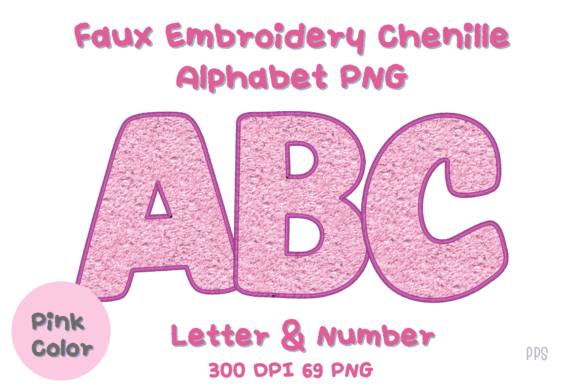
Purple Faux Embroidery Alphabet Clipart Review
As an embroidery designer who has spent years translating digital concepts into tangible thread work, I approach every new asset with a mix of creative excitement and technical skepticism. When evaluating Purple Faux Embroidery Alphabet Clipart, my primary focus is never just how it looks on a screen, but how it translates to the needle, the hoop, and ultimately, the customer’s wardrobe or product line. For small business owners, Etsy sellers, and merch creators looking to elevate their brand identity, the difference between a decorative graphic and a viable machine embroidery design can be the difference between a profitable product and a production headache.
First Impressions: Visual Personality and Brand Fit
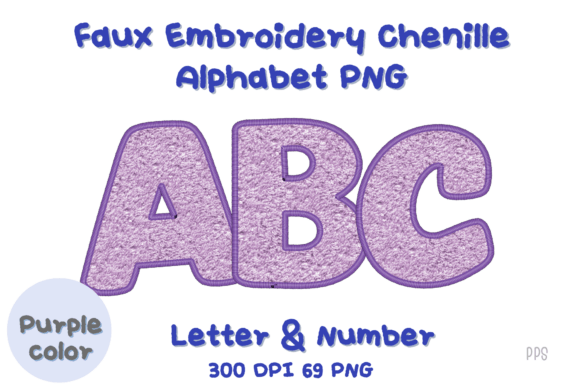
The title alone sets a specific tone. "Purple" suggests creativity, luxury, or playfulness depending on the shade, while "Faux Embroidery" indicates that this is a digital representation meant to mimic the texture and dimension of real stitching. For a small café, boutique, or handmade shop, this aesthetic bridges the gap between modern digital branding and traditional craftsmanship. It feels premium yet accessible.
In the context of Crafts and Graphics, this asset serves as a versatile foundation. It doesn’t scream "corporate uniform," nor does it feel overly childish. Instead, it occupies a sweet spot for brands that want to communicate quality and attention to detail. Whether you are designing for a floral studio, a pet brand, or a local bakery, the purple hue offers a distinct visual anchor that stands out against neutral backgrounds like cream, white, or denim, which are staples in custom apparel and tote bag design.
Real-World Application: From Digital File to Physical Product
The true test of any embroidery file is its application across various merchandise types. Here is how Purple Faux Embroidery Alphabet Clipart performs in common business scenarios:
- Embroidered Patches: This design is ideal for creating branded patches. The transparent background allows for easy placement on iron-on or sew-on backing materials. It works exceptionally well as a chest logo accent on staff uniforms or as a detachable badge on aprons.
- Apparel Details: On work shirts or hoodies, the alphabet clipart can serve as a sleeve detail or a back-yoke accent. Because it mimics faux embroidery, it adds texture to flat garments without the heavy weight of dense stitching.
- Tote Bags and Caps: A tote bag design often relies on bold, legible graphics. This clipart provides that legibility while maintaining a soft, handmade appeal. Similarly, for cap embroidery, the compact nature of alphabet designs fits well on the front panel or side, offering a subtle brand mark.
- Product Packaging and Labels: Beyond clothing, these design assets can be used on hang tags, product stickers, or packaging inserts. They help unify your brand identity across physical touchpoints, increasing perceived value.
For Etsy branding and craft business assets, having a cohesive look is crucial. Using this clipart consistently across your listings and physical products creates a recognizable visual language that builds customer trust and recognition.
Where Caution Is Required
While the potential is high, there are specific areas where this design requires careful handling. Not all surfaces are created equal.
- Small Patch Sizes: If you plan to scale this down significantly for tiny labels or miniature badges, details may get lost. Always inspect spacing at the final intended size.
- Curved Surfaces: Applying this to the curved front of a cap or the rounded shoulder of a shirt can distort the lettering if not digitized correctly. Ensure your production method accounts for fabric tension.
- High Stitch Density: If this is being converted into a actual stitch file, dense areas might create bulk. Test on fabric texture similar to your end product to avoid stiffness.
- Dark Uniforms: Purple can sometimes lack contrast against very dark fabrics like black or navy unless paired with a light underlay or contrasting thread colors. Always review thread color contrast before committing to bulk orders.
- Frequent Washing: For items like aprons or work shirts that undergo frequent laundering, ensure the design is anchored properly. Loose threads or poor stabilizer choice can lead to premature wear.
Impact on Brand Identity and Professionalism
Using Purple Faux Embroidery Alphabet Clipart signals to your customers that you care about presentation. In the world of small business merch, first impressions are everything. A well-executed embroidered element conveys durability and care, qualities that justify higher price points and foster loyalty.
When a customer receives a product with a clean, professional brand mark—whether on a handmade product or a mass-produced item—it enhances the unboxing experience. It transforms a simple commodity into a branded artifact. This visual consistency strengthens your brand identity, making your business appear more established and reliable. For product designers and merch creators, this means higher engagement and better conversion rates, as buyers associate polished aesthetics with quality.
Practical Designer Notes for Production
Before integrating this digital asset into your production workflow, follow these essential steps to ensure success:
- Test in Black and White: Remove color distractions to check the structural integrity and balance of the letters. Does it hold up without the purple hue?
- Check Small Scale Legibility: Print the PNG at 100% size and view it from a distance. Can the letters be read clearly? This is critical for embroidered patch applications.
- Review Thread Color Contrast: If converting to actual embroidery, simulate different thread colors. Purple may need a specific base color to pop.
- Inspect Spacing: Tight kerning can cause thread breaks or puckering. Ensure there is enough room between characters for the needle to move freely.
- Confirm Hoop Size: Verify that the design fits within standard hoop dimensions if you are digitizing it yourself. Mismatched sizes lead to wasted time and material.
- Test on Real Fabric: Never guess how a design will behave on stretchy knits or thick canvas. Perform a sample run on the actual material.
- Use Proper Stabilizer: The right stabilizer prevents distortion. Heavy fabrics may need cut-away stabilizers, while lighter fabrics might require tear-away options.
- Create a Printable Mockup: Use the 300 dpi PNG to create realistic mockups for client approval or marketing materials. This helps visualize the finished product before production begins.
- Compare with Other Assets: Ensure the style matches your other design assets. Consistency is key to a cohesive brand look.
- Confirm Commercial Licensing: Most importantly, verify the license terms. Even though the description mentions printing on physical products, always double-check if unlimited commercial use is granted for commercial embroidery projects.
Final Verdict
Purple Faux Embroidery Alphabet Clipart is a strong candidate for small business owners seeking to add a touch of artisanal charm to their merchandise. Its versatility makes it suitable for everything from apron embroidery to digital marketing visuals. By paying close attention to technical details like stitch density, fabric choice, and licensing, you can transform this digital graphic into a powerful tool for building a professional, trustworthy brand presence. For those ready to dive into DIY projects and elevate their small business merch, this clipart offers a solid starting point for creating memorable, high-quality branded goods.