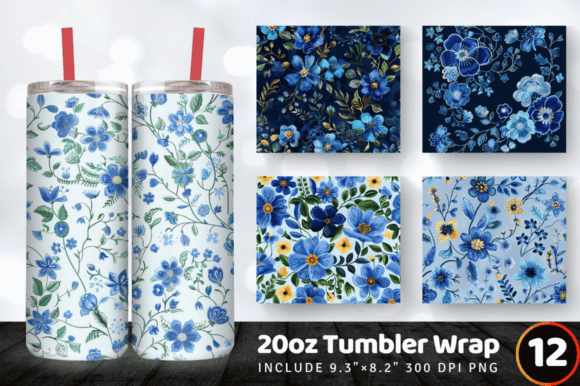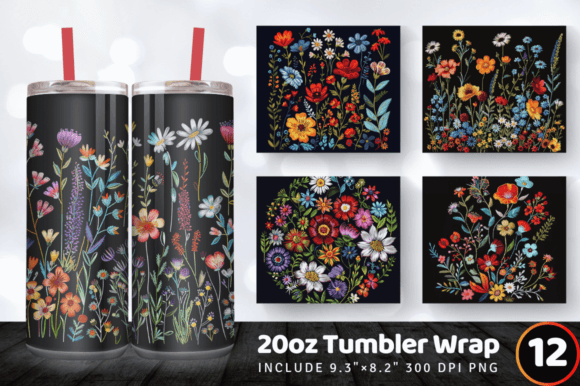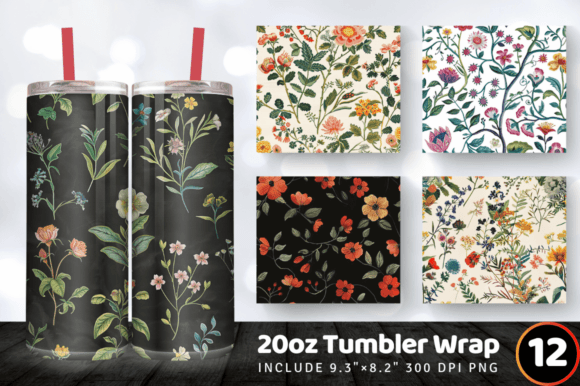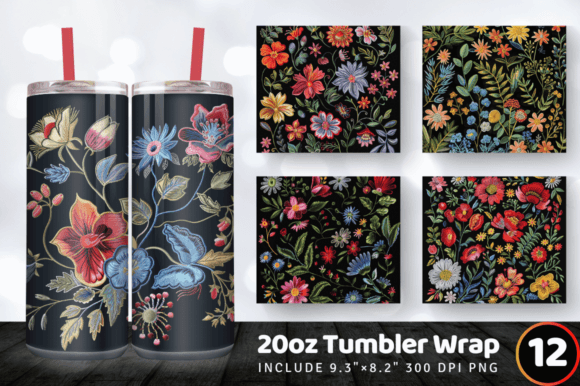
Pine Trees Embroidery Tumbler Wrap Review
As an experienced embroidery designer who has spent years translating digital graphics into tactile, stitched realities for small businesses, I approach every new asset with a critical eye. When Pine Trees Embroidery Tumbler Wrap landed in my inbox as a potential addition to our design library, I didn’t just look at the preview image; I visualized it on fabric, under hoop, and on finished merchandise. This review is not merely about aesthetics; it is a strategic assessment of how this machine embroidery design performs in real-world commercial applications.
First Impressions: The Visual Personality of Pine Trees Embroidery Tumbler Wrap
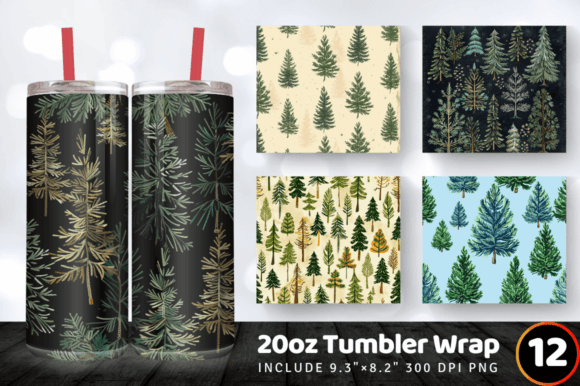
The title Pine Trees Embroidery Tumbler Wrap immediately suggests a specific aesthetic direction: rustic, natural, grounded, and outdoorsy. In the current market for small business merch, there is a massive demand for designs that evoke authenticity and connection to nature. From a design perspective, this file delivers exactly that. It feels premium yet approachable, avoiding the overly complex or cluttered look that often plagues low-quality digital assets.
While the product description identifies this primarily as a "Sublimation Design PNG" intended for a 20 oz Skinny Tumbler, any savvy embroiderer knows that high-resolution vector-style graphics are incredibly versatile. The clean lines and distinct shapes of pine trees translate exceptionally well when digitized for stitching. The design strikes a balance between bold enough to be seen from a distance and detailed enough to feel handcrafted. It possesses a modern classic vibe, making it suitable for brands that want to appear established but not stuffy.
Real-World Business Applications Beyond Tumblers
Although marketed as a tumbler wrap, limiting its use to drinkware would be a missed opportunity for most apparel decorators and boutique owners. Here is how Pine Trees Embroidery Tumbler Wrap shines across various commercial embroidery projects:
- Embroidered Patches: This is perhaps the strongest use case. The vertical orientation of a tree motif works beautifully as a chest logo or a sleeve accent. By digitizing this graphic into a stable patch format, businesses can create cohesive branding for staff uniforms or customer loyalty rewards.
- Apron Embroidery: For bakeries, florists, or coffee shops, a subtle pine tree design on the pocket or upper chest of a canvas apron adds a touch of artisanal charm. It signals quality and attention to detail without overwhelming the wearer.
- Cap Embroidery: The compact nature of pine tree silhouettes makes them ideal for front-of-cap placements. They offer a clean, uncluttered look that pairs well with minimalist brand names.
- Tote Bag Design: On heavy cotton totes, this design serves as a powerful brand identity marker. It suggests sustainability and eco-consciousness, values that resonate strongly with today’s consumers.
- Product Packaging Accents: Small versions of this design can be embroidered onto hang tags or fabric labels attached to handmade products, elevating the perceived value of the item.
Strategic Brand Identity and Customer Trust
When you choose Pine Trees Embroidery Tumbler Wrap for your business assets, you are making a statement about your brand’s personality. Nature-inspired motifs inherently communicate stability, growth, and reliability. For a small business owner, this translates directly into increased customer trust. A consistent visual language across all touchpoints—from social media graphics to physical custom apparel—builds recognition. When a customer sees the same pine tree motif on a hat, a tote, and a uniform, they subconsciously associate those qualities with your entire operation.
Furthermore, embroidered items carry a higher perceived value than printed ones. The texture of the thread catches the light and invites touch, creating a sensory experience that strengthens buyer engagement. Using a high-quality design like this ensures that your finished product looks professional, reducing returns and increasing positive reviews.
Where to Exercise Caution: Limitations and Challenges
No design is perfect for every application. As a designer, I must highlight where Pine Trees Embroidery Tumbler Wrap might face challenges during production:
- Small Patch Sizes: If you attempt to reduce this design to a very small size (under 1.5 inches), fine details may become lost in the stitch density. Always test the smallest intended size before mass production.
- Curved Surfaces: While great for flat panels, applying this design to highly curved surfaces like baseball caps requires careful hooping and tension adjustment to prevent distortion.
- Dark Uniforms: Ensure sufficient contrast between your thread colors and the fabric. On dark navy or black uniforms, lighter thread colors will pop, but you may need additional underlay stitches to make the design stand out.
- Fabric Texture: Rough textures like burlap or heavily woven denim can hide fine stitch work. Smooth fabrics like twill, cotton blends, and fleece yield the crispest results.
Practical Embroidery Designer Notes for Production
To ensure the best outcome when incorporating this design into your workflow, follow these technical guidelines:
- Test in Black and White First: Before committing to a full color palette, digitize or print the design in monochrome. This helps you evaluate the composition and spacing without the distraction of color.
- Check Stitch Density: Although the source file is a high-resolution PNG, the final embroidery relies on proper digitization. Ensure the stitch density is appropriate for the fabric weight. Too dense, and the fabric will pucker; too sparse, and the backing will show through.
- Confirm Hoop Size: Verify that the design dimensions fit within your standard hoop sizes. The original tumbler wrap format is tall and narrow, so you may need to adjust the placement or scale slightly for square hoops.
- Use Proper Stabilizer: For lightweight fabrics, use cut-away stabilizer to maintain integrity. For heavier items like tote bags, tear-away or wash-away stabilizers may suffice depending on the desired finish.
- Create a Printable Mockup: Before producing hundreds of units, create a printable mockup to share with clients or stakeholders. This allows for approval on placement and scale, saving time and materials.
- Review Thread Color Contrast: Select threads that complement the natural theme. Earth tones like forest green, brown, and cream enhance the pine tree motif, while bright whites or blues can provide a striking modern contrast.
- Inspect Spacing: Look closely at the negative space between the trees. Good spacing prevents the design from looking muddy when stitched.
- Test on Real Fabric: Never assume a design will work perfectly based on a screen preview. Always run a sample on the actual material you plan to use.
- Compare Beside Other Assets: Place this design next to your existing design assets to ensure visual consistency across your brand portfolio.
- Confirm Commercial Licensing: Most importantly, verify the licensing terms of the digital download. Ensure you have the right to use Pine Trees Embroidery Tumbler Wrap for commercial resale purposes before selling any branded goods.
Final Verdict
Pine Trees Embroidery Tumbler Wrap is a versatile, high-quality asset that extends far beyond its primary marketing category. Its strong visual identity makes it an excellent choice for small business owners looking to elevate their handmade product line. Whether used for embroidered patches, apron embroidery, or tote bag design, this design offers a professional, rustic charm that resonates with customers. By following proper digitization and production techniques, you can transform this digital template into a tangible brand asset that drives recognition and sales. For any decorator working in the nature, outdoor, or artisanal niche, this is a valuable addition to your collection of digital embroidery files.