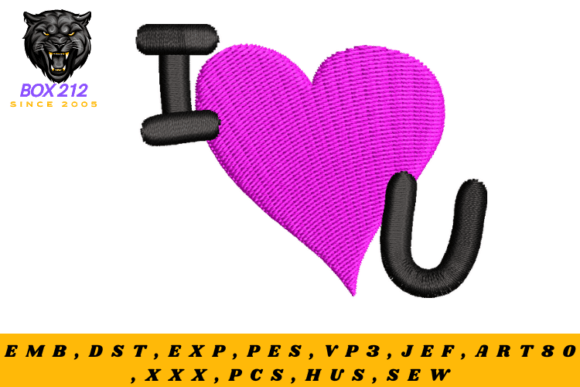
I Love You Embroidery Design Review
As a designer who spends more time looking at stitch lines and density maps than actual finished garments, I approach every new embroidery file with a healthy dose of skepticism. The market is flooded with generic text-based designs that look fine on a screen but fall apart under the needle. However, when I pulled up the I Love You Embroidery Design, my first reaction was one of cautious optimism. This isn’t just another blocky font slapped onto a digital canvas; it carries a specific mood—a blend of elegance and warmth that suggests it was crafted for people who actually care about the final aesthetic of their handmade products.
This review comes from the perspective of someone who needs to know if this design will hold up in a real-world scenario. Whether you are an Etsy seller preparing for the Valentine’s Day rush, a small business owner creating custom apparel, or a hobbyist making a heartfelt gift, the difference between a "good" design and a "great" one lies in execution. Here is my practical breakdown of how this embroidery project performs in the hoop.
First Impressions: Mood and Visual Personality
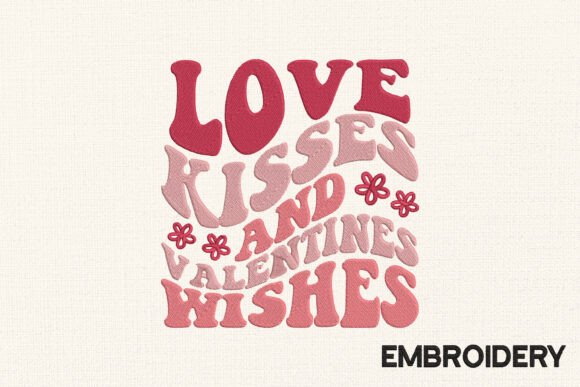
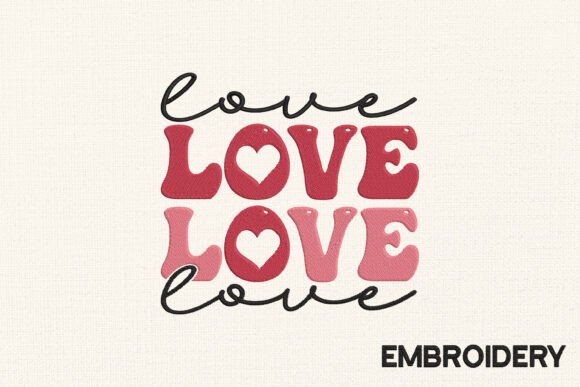
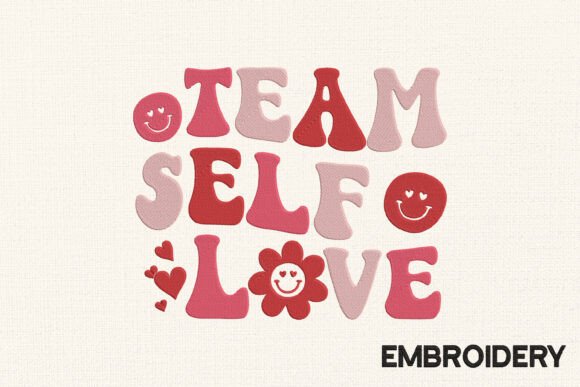
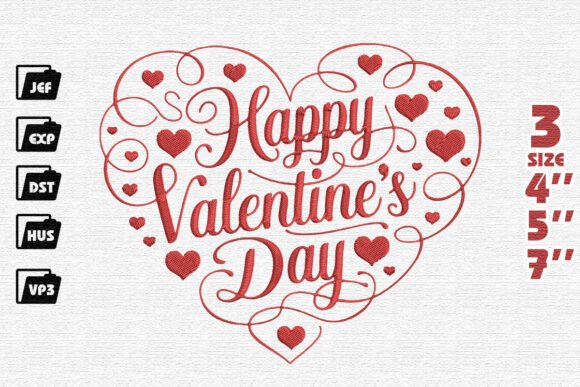
The immediate appeal of the I Love You Embroidery Design is its delicate nature. In a category often dominated by bold, heavy scripts or cartoonish hearts, this design opts for refinement. The lettering feels fluid rather than rigid, which immediately elevates the perceived value of any handmade product it adorns. It doesn’t scream for attention; instead, it invites the viewer to lean in closer.
From a design standpoint, the layout strikes a balance between decorative flair and readability. It creates a romantic atmosphere without feeling overly sentimental or cheesy. This versatility is crucial for commercial viability. A design that is too niche might limit your customer base, but one that is too plain fails to stand out in a crowded marketplace like Etsy. This design sits comfortably in the middle—it is recognizable as a love-themed piece but retains enough sophistication to be worn or displayed in various contexts, from a casual tote bag to a more formal wedding favor.
Real-World Application: Where Does It Shine?
To truly evaluate an embroidery file, you have to imagine it on different substrates. I ran through several mental scenarios where this design would excel:
- Custom Apparel and Sweatshirts: The elegant lettering pairs beautifully with soft cotton blends or fleece. On a sweatshirt, it adds a touch of intimacy to a cozy garment, making it a perfect choice for couples’ gifts or personalized winter wear.
- Tote Bags and Market Totes: As a tote bag design, it works exceptionally well on canvas or linen. The delicate details pop against natural fabric textures, offering a sophisticated alternative to printed graphics. For an Etsy seller, this is a high-demand item, especially leading up to Valentine S Day.
- Baby Items and Nursery Decor: The gentle curves of the lettering make it suitable for baby onesies, blankets, or nursery wall art. Parents often look for items that feel timeless rather than trendy, and this design has that enduring quality.
- Applique and Layered Projects: While primarily a stitched design, its clean lines lend themselves well to being combined with an applique design technique. Imagine the letters embroidered onto a contrasting fabric heart before being stitched down—this adds depth and professional polish to the finished product.
In these contexts, the design enhances brand consistency. When customers see a cohesive, high-quality aesthetic across your shop, trust increases. They assume that if the small details are done right, the larger structural elements of the product are likely handled with equal care.
Technical Considerations and Stitch Performance
No matter how beautiful a design looks in preview software, it must perform mechanically. Here is what you need to consider regarding the technical aspects of this machine embroidery design:
- Stitch Density and Clarity: The design relies heavily on smooth transitions. Ensure your stabilizer choice matches the fabric weight. If the fabric is lightweight or stretchy, such as a thin jersey t-shirt, you risk puckering if the density is too high. Conversely, on stable fabrics like denim or thick canvas, the design should lay flat and crisp.
- Satin vs. Fill Stitches: The lettering likely utilizes a combination of satin stitches for the outlines and fill stitches for internal details. Check the angle of the satin stitches; they should follow the contour of the letters smoothly to avoid thread breaks or visible gaps. If the design includes a satin stitch border, ensure it is wide enough to cover any underlying fabric texture without looking bulky.
- Thread Colors: The visual impact depends entirely on your color choices. For a classic look, try a monochromatic scheme (e.g., white thread on light pink fabric). For contrast, deep reds or blacks on cream backgrounds work well. Always test thread colors on scrap fabric to check for contrast issues, especially if you plan to use metallic or variegated threads, which can sometimes obscure delicate details.
Where to Use With Caution
Even the best designs have limitations. There are specific situations where the I Love You Embroidery Design might struggle:
- Small Hoop Sizes: If you are working with a 4x4 inch hoop or smaller, the delicate details may become indistinguishable. Tiny running stitches or fine lettering can merge together, resulting in a muddy appearance. Reserve this design for larger hoops where the spacing can breathe.
- Textured or Thick Fabrics: On heavily textured fabrics like chunky knits or corduroy, the stabilizer may not provide enough support, causing the needle to deflect and the stitches to misalign. Similarly, on very thick materials like leather or heavy duck canvas, the needle penetration might be difficult, potentially breaking needles or distorting the design.
- Curved Surfaces: Embroidering on caps or curved hat fronts requires careful hooping techniques. If the surface is too curved, the tension may vary across the design, leading to uneven stitching. Test this on a scrap piece of similar material first.
- Dense Stitch Areas: Avoid placing this design over existing seams, pockets, or zippers. The additional bulk can cause discomfort and increase the risk of thread breakage due to friction.
Practical Designer Notes for Success
Before committing to a full production run or selling this as a small shop product, follow these essential steps:
- Test on Scrap Fabric: Always stitch a sample on the exact fabric you intend to use. This reveals issues with tension, stabilizer choice, and color contrast that aren't visible on screen.
- Check Licensing: If you plan to sell finished items made with this design, confirm the licensing terms. Some digital embroidery files are for personal use only, while others allow commercial sales. Never assume; always read the fine print to protect your craft business.
- Create Printable Mockups: Before investing in materials, create a printable mockup using the design assets. This helps you visualize the final look and marketing potential without wasting resources.
- Inspect Small Details: Zoom in on the smallest elements of the design. Are there any loose ends or awkward jumps? A professional embroidered patch or garment should have clean finishes.
- Black and White Preview: View the design in grayscale to ensure sufficient contrast between the thread and the fabric. This helps identify areas that might get lost visually.
Ultimately, the I Love You Embroidery Design is a strong candidate for anyone looking to add a touch of elegance to their repertoire. It balances aesthetic appeal with practical usability, making it suitable for a wide range of applications. By paying attention to the technical details and testing thoroughly, you can transform this digital file into a stunning personalized gift or a successful commercial item that resonates with customers. Whether you are decorating a kitchen towel or branding a boutique line, this design offers the reliability and charm needed to succeed in the competitive world of handmade goods.