Christmas Stockings Applique Embroidery Review
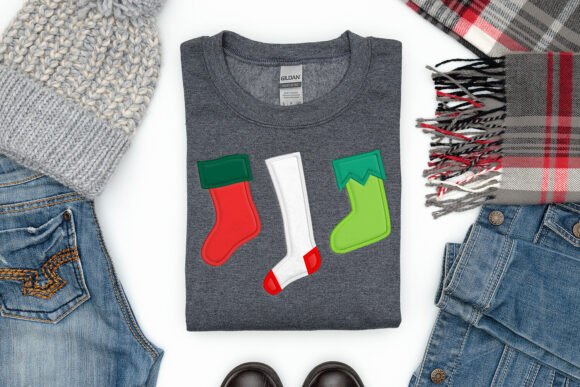
Walking into a weekend craft fair, the energy is electric, but the competition for attention is fierce. As an embroidery designer who has spent years perfecting designs for handmade markets, I know that what sells isn’t just about pretty pictures—it’s about visual impact, production efficiency, and emotional connection. Recently, I reviewed a Christmas Stockings Applique Embroidery file featuring three stockings hanging in a row, and it immediately caught my eye as a potential bestseller for the holiday season. This review breaks down why this specific machine embroidery design works so well for craft fair products, how to maximize its appeal on various items, and what practical steps you need to take before hitting the road with your booth.
The First Impression: Bold, Festive, and Versatile
When you look at Christmas Stockings Applique Embroidery, the first thing that strikes you is its balanced composition. Three stockings hanging in a row create a natural rhythm that is pleasing to the eye without being overwhelming. It feels festive yet classic, avoiding the overly trendy or cluttered aesthetics that can sometimes date a product quickly. For an Etsy seller or a boutique maker, this design hits the sweet spot between cute and decorative.
The applique technique itself adds a layer of premium texture that flat satin stitches often lack. Because applique involves layering fabric pieces, the finished product has a tactile quality that customers love to touch. In a physical market setting, where buyers can physically handle your goods, this dimensionality gives your handmade product a distinct advantage over mass-produced alternatives. It signals care, effort, and high-quality craftsmanship, which are key drivers for impulse buys during the holidays.
Product Applications: Where This Design Shines
One of the biggest questions designers face is where to place a multi-element design like this. The trio of stockings offers incredible flexibility. Here is how I see it performing across different commercial embroidery categories:
- Tote Bags: A tote bag design featuring these stockings is an instant winner. Place them horizontally across the lower front panel of a canvas tote. It creates a cheerful accent that is visible from a distance but detailed enough to appreciate up close. Canvas provides a sturdy base that supports the weight of the applique layers.
- Aprons and Tea Towels: For kitchen-focused gifts, this design works beautifully on linen or cotton aprons. Center the three stockings on the bib area. On tea towels, the horizontal layout mimics the traditional look of holiday linens. The contrast between the soft fabric texture and the structured embroidery makes for excellent printable mockup images for online listings.
- Caps and Beanies: While caps are popular, curved surfaces can distort wide designs. However, if the design is scaled appropriately, placing it slightly off-center on a beanie or a structured cap can add a pop of color. Be cautious here; ensure the hoop size allows for proper tension on the curved surface.
- Pajama Sets and T-Shirts: As mentioned in the description, this is ideal for holiday loungewear. Placing the stockings across the chest of a crewneck tee or on the cuff of pajama pants creates a cohesive theme. For small shop products, bundling matching sets (mom and kid tees) with this design can increase average order value.
- Fabric Pouches and Pillow Covers: These smaller items allow for higher price points per square inch of embroidery. A zippered pouch with the stockings is a perfect gift for holding makeup or small tech accessories. On pillow covers, the design acts as a focal point, turning a plain item into a seasonal decor piece.
Production Practicality and Batch Efficiency
For any embroidery business owner, time is money. A design that takes too long to stitch or requires constant trimming will eat into your profit margins. Applique designs generally require more setup time than simple digitized text, but they often run faster once the machine is started because the fill stitches are usually efficient.
This particular embroidery file appears to have a layout that lends itself well to batch production. You can set up your hooping jig to align the center of the design consistently across multiple items. When preparing for a busy craft fair, having a repeatable process is crucial. If you can produce five aprons in the same amount of time it would take to produce ten simple monograms, the added perceived value of the applique justifies the extra effort.
Photography is also a critical part of selling. This design photographs exceptionally well because the multiple colors of the stockings provide visual interest. When creating listings for your online store, ensure you capture close-ups of the applique edges to show the neatness of the stitching. High-quality images of your finished product build trust with digital buyers who cannot feel the fabric.
Careful-Use Notes and Potential Pitfalls
Even the best designs have limitations. Before committing to a full production run, consider the following technical challenges:
- Dense Stitch Areas: Check the density of the fill stitches. If the design is too dense, it may pucker thin fabrics like lightweight t-shirts. Always test on scrap fabric first.
- Tiny Details: Ensure that any small details within the stocking patterns (like buttons or bows) are large enough to be seen. At smaller sizes, tiny elements can get lost or become difficult to trim cleanly.
- Thread Contrast: The success of applique relies heavily on thread choice. If your background fabric is dark, light threads may not show up well. Conversely, dark threads on light fabric can look harsh if not balanced properly. Experiment with thread colors to find the perfect harmony.
- Fabric Texture: Rough textures, such as heavy burlap or thick waffle-weave towels, can interfere with the hoop grip and stitch accuracy. Stick to smoother fabrics for the cleanest results.
- Curved Surfaces: As mentioned, applying wide designs to curved items like caps requires skill. If you are new to curved hooping, stick to flat items like bags and towels until you are confident.
Essential Designer Checklist for Production
To ensure your craft fair product stands out for all the right reasons, follow this checklist before you start sewing:
- Test on Scrap Fabric: Never run a full production batch without testing the design on the exact fabric you plan to sell. Check for puckering, shifting, or thread breaks.
- Check Stabilizer Compatibility: Use the right stabilizer for your fabric type. Heavy cut-away stabilizers are often needed for applique to prevent distortion, especially on stretchy knits.
- Confirm Hoop Size: Verify that your machine’s hoop size accommodates the design dimensions with room for maneuvering. If the design is larger than your hoop, you will need to reposition, which increases the risk of misalignment.
- Create Real Mockups: Make at least one real sample and photograph it in natural light. Compare this to digital mockups to ensure the final look matches your vision.
- Review Commercial Licensing: Most importantly, confirm that you have the correct license to sell finished products made from this digital embroidery file. Selling unauthorized designs can lead to serious legal issues.
Final Verdict: A Booth Winner
In conclusion, Christmas Stockings Applique Embroidery is a strong candidate for anyone looking to boost their holiday sales. Its versatile layout, premium texture, and festive charm make it suitable for a wide range of handmade gifts. Whether you are selling to locals at a craft fair or shipping nationwide via Etsy, this design offers the visual appeal and production efficiency needed to succeed. By paying attention to fabric choices, stabilizer use, and commercial licensing, you can turn this simple concept into a standout small shop product that customers will cherish all season long.