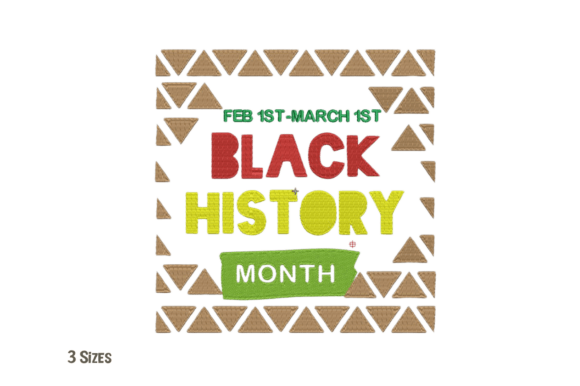
Black History Month Embroidery Review
As an embroidery designer who spends weekends manning booths at local craft fairs and managing a busy online shop, I know that the difference between a design that sits on a shelf and one that sells out by noon often comes down to visual impact and production practicality. When I first looked at the Black History Month Embroidery design, my immediate reaction was focused on its potential for seasonal relevance and aesthetic appeal. This is not just another generic pattern; it is a timely, culturally significant piece that can elevate a handmade collection during February.
The description highlights vibrant red, yellow, and green text framed within a specific layout. From a professional standpoint, this color palette is instantly recognizable and carries strong emotional resonance. It feels festive yet dignified, striking a balance between bold celebration and respectful homage. For craft fair sellers, this kind of immediate visual recognition is gold. Customers walking past your booth need to stop, look, and feel a connection within seconds. This machine embroidery design delivers that punch without relying on clutter or overly complex imagery that might get lost in low-light convention centers.
First Impressions and Visual Appeal
The use of red, yellow, and green creates a warm, energetic vibe that stands out against neutral backgrounds. Whether you are using black, white, cream, or denim fabric, these thread colors will pop. The framing mentioned in the product details suggests a structured composition, which tends to look more premium than free-form lettering. In the world of handmade goods, perceived value is everything. A well-framed design looks intentional and polished, allowing you to price your items with confidence.
This embroidery file falls squarely into the Inspirational category but avoids being cliché. It feels modern enough for younger buyers while retaining a classic charm that appeals to a broader demographic. The "vibrant" nature of the threads means it photographs exceptionally well. For Etsy seller professionals and digital sellers, high-quality images are the primary driver of sales. A design that translates beautifully from screen to print (or stitch) gives you a distinct advantage in search results and social media marketing.
Product Applications and Best Sellers
So, where does this design shine brightest? Based on my experience preparing table displays, certain products allow the artistry of the stitch to breathe, while others constrain it. Here is how Black History Month Embroidery performs across various craft fair product categories:
- Tote Bags: A canvas tote bag design is perhaps the most versatile application. The sturdy fabric holds up well to dense stitching, and the large surface area allows the vibrant colors to be seen from a distance. These are impulse buys for shoppers looking for a functional gift.
- Aprons and Tea Towels: Kitchen textiles are perennial favorites. An apron embroidery featuring this design adds a personal touch to home decor. Similarly, tea towel embroidery offers a lower price point entry for customers, making it easy to sell multiple units. The contrast of bright threads against natural linen or crisp cotton is visually stunning.
- Caps and Headwear: Embroidering on curved surfaces requires skill, but the payoff is high. A structured cap with this design makes a great wearable statement piece. However, ensure your hoop size accommodates the curve without distorting the frame.
- Embellished Patches and Pouches: Smaller items like fabric pouches or sew-on patches allow for batch production. You can create a series of small, affordable gifts that customers might buy as stocking stuffers or small tokens of appreciation.
- Pillow Covers: For home décor enthusiasts, a throw pillow cover offers a soft, textured display of the design. It feels cozy and inviting, perfect for the winter season when this design is most relevant.
Production Practicality and Booth Strategy
When reviewing any new asset, I always ask: "Can I make fifty of these in a weekend without losing my mind?" The answer depends heavily on the technical execution. The described framing likely keeps the stitch count manageable, which is crucial for maintaining profit margins. If the design is too dense, it slows down production time and increases wear on your machine. Conversely, if it is too sparse, it may look unfinished on thicker fabrics.
For your booth display, variety is key. Set up a "hero" item, such as a large tote bag or a framed pillow, to draw eyes to your table. Then, have smaller, cheaper items like patches or keychains nearby to capture quick purchases. This Black History Month Embroidery design works well as both a focal point and a subtle accent, giving you flexibility in how you merchandise your small shop product line.
Photography tips: Because of the red, yellow, and green palette, avoid backgrounds that clash with these colors. Neutral backdrops like white, light gray, or natural wood work best to let the threads stand out. Ensure your lighting is bright and even to capture the true vibrancy of the thread colors.
Technical Considerations and Careful Use Notes
Before you start mass-producing, there are several technical checks every serious designer must perform. The description mentions "vibrant" text and framing, which implies a mix of fill stitches and possibly satin stitches for outlines. Here is what you need to watch out for:
- Stitch Density: Check the stitch density of the text areas. If the stitches are too close together, the fabric may pucker, especially on lightweight tees or delicate towels. Test on scrap fabric to see how the material reacts under tension.
- Thread Contrast: Ensure there is enough contrast between the thread and the base fabric. On dark fabrics, the lighter yellow or red might require a backing stabilizer to prevent show-through. On light fabrics, ensure the colors remain distinct and do not blend into a muddy hue.
- Fabric Texture: Textured fabrics like waffle-weave tea towels can obscure fine details. If the design has tiny letters or intricate framing elements, they may get lost in the weave. Always inspect the design at 100% zoom in your software to check for clarity.
- Hoop Size and Placement: Confirm the hoop size required for the design. If it is large, you may need to adjust your placement on larger items like duvet covers or wide aprons. Misalignment can ruin the symmetry of the frame.
- Stabilizer Choice: Using the right stabilizer is non-negotiable. For woven cottons, a cut-away stabilizer provides long-term support. For knits, a tear-away or wash-away might be sufficient depending on the density. Incorrect stabilizer choice leads to puckering and poor drape.
Final Verdict for Creative Entrepreneurs
Black History Month Embroidery is a strong addition to any commercial embroidery portfolio. It taps into a meaningful cultural moment with a design that is visually striking and professionally framed. For handmade product creators, it offers the opportunity to connect with customers on an emotional level while producing high-quality, desirable goods.
Remember to verify all technical specifications—such as exact stitch counts, supported formats, and licensing terms—before finalizing your production run. Create at least one real mockup to test the design on your actual target fabric. By doing your due diligence, you ensure that your finished product reflects the quality and care that defines successful handmade brands. This design has the potential to be a standout seller, driving engagement and sales throughout the month of February and beyond.