Beautiful Animals Embroidery Design Review
As an embroidery designer who spends weekends hunched over a sewing machine and weekdays prepping for craft fairs, I have learned that the difference between a design that sits on a shelf and one that sells out by noon comes down to visual impact and production practicality. When I first encountered the Beautiful Animals Embroidery Design, my immediate reaction was one of cautious optimism. The title suggests a collection of graceful and artistic depictions, which is exactly what modern handmade markets crave. This isn’t just another clipart stitch; it feels like a curated asset for Etsy sellers and boutique makers looking to elevate their handmade product lines.
In this review, I am putting myself in the shoes of a vendor preparing a booth display. I am evaluating how this machine embroidery design performs on real goods—from tote bags to aprons—and whether it holds up under the scrutiny of potential buyers walking past a crowded table.
First Impressions: Artistic Grace Meets Market Appeal
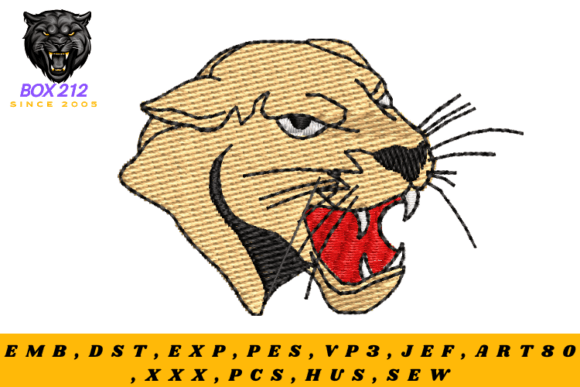
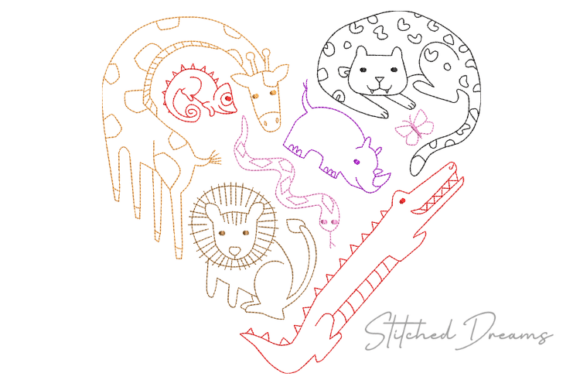
The description promises "graceful and artistic depictions of animals," which sets a specific mood. In the world of wild animals embroidery, there is often a risk of designs feeling too aggressive or cartoonish. However, based on the artistic framing, this digital embroidery file likely leans toward elegance and softness. For a craft fair seller, this is a winning combination. It bridges the gap between rustic farmhouse decor and modern chic, making it versatile enough for various customer demographics.
When you look at a design asset online, it can be hard to judge texture. But knowing that this design features artistic interpretations means we should expect clean lines and perhaps some negative space, which is crucial for legibility. If the design relies on tiny, intricate details that disappear when stitched, it will fail as a commercial product. Fortunately, the promise of "grace" usually implies a focus on silhouette and flow rather than cluttered detail, which bodes well for our upcoming batch production.
Product Applications: Where Does It Shine?
To determine the true value of this embroidery design, we must test it on the products that actually move at markets. Here is how the Beautiful Animals Embroidery Design translates across key categories:
- Tote Bag Design Potential: Canvas totes are the bread and butter of many small shop product lines. A graceful animal motif works beautifully here because the neutral background of natural canvas allows the thread colors to pop without competing with busy prints. This design could serve as a large focal point on the front panel or a subtle accent near the strap attachment.
- Apron Embroidery: Kitchen items are high-impulse buys. Placing this design on a linen or cotton apron adds a touch of whimsy to the kitchen. Because the design is described as artistic, it avoids looking childish, appealing to adult cooks who want their kitchen gear to look sophisticated. It photographs exceptionally well for printable mockups and online listings.
- Tea Towel Embroidery: Linen tea towels are lightweight and inexpensive to produce, offering high profit margins. The gracefulness of the animal figures ensures they don't get lost in the weave of the fabric. This is an excellent entry-level item for customers browsing your booth who might not be ready to commit to a larger purchase.
- Embroidered Patch and Cap Options: For those looking to diversify, this design can be digitized into a patch format. Whether attached to a denim jacket or a baseball cap, the artistic nature of the animals adds character. However, curved surfaces like caps require careful attention to tension to maintain the design's integrity.
- Pillow Covers and Pouches: Soft home goods benefit from the tactile appeal of embroidery. A small pouch made from the same fabric as a pillow cover creates a cohesive gift set. The Beautiful Animals Embroidery Design lends itself well to these smaller formats, where it can act as a charming detail rather than an overwhelming statement.
Production Practicality and Visual Impact
From a production standpoint, the success of any commercial embroidery project depends on efficiency and consistency. How easy is this design to understand at a glance? If the stitch paths are logical and the color changes are minimized, you save time during threading. For a craft fair product, speed is money. You need to be able to run multiple units in a batch without constant interruptions.
Photographically, this design has strong potential. Customers today buy with their eyes before they ever touch the product. An artistic animal motif provides a nice contrast against solid-colored fabrics, making your Etsy listing photos stand out in a crowded feed. It feels premium and thoughtful, which justifies a higher price point compared to mass-produced alternatives.
Furthermore, the design’s versatility allows for brand consistency. You can use the same animal motif across different product types—totes, towels, and patches—creating a recognizable aesthetic for your booth. This repetition builds trust and helps customers associate your brand with quality and style.
Critical Considerations for Stitch Quality
Before committing to full-scale production, every experienced designer knows to pause and evaluate the technical limits of the file. Even the most beautiful design can fail if executed poorly. Here are the critical checks you must perform:
- Stitch Density Check: Examine the stitch density closely. Are there areas where stitches are too close together, potentially causing puckering on lighter fabrics? Or are there sparse areas that might show through on dark backgrounds? Balanced density is key to a professional finish.
- Hoop Size Confirmation: Verify the required hoop size. If the design is large, ensure your machine can accommodate it comfortably. Working with larger hoops can sometimes limit your placement options on finished goods like aprons or wide tote bags.
- Fabric Texture Compatibility: Test the design on the actual fabric you plan to sell. On textured materials like heavy canvas or waffle-weave towels, fine details may get lost. You may need to adjust the scale or simplify certain elements to ensure clarity.
- Thread Contrast: Choose thread colors that offer sufficient contrast against your base fabric. On dark fabrics, light threads might struggle to hold their shape if the underlay isn't robust. Conversely, dark threads on light fabric can look muddy if the fill density is insufficient.
- Stabilizer Selection: Always use the right stabilizer. For delicate fabrics, a cut-away stabilizer provides necessary support. For sturdier materials like denim or thick cotton, a tear-away might suffice. Getting this wrong can ruin the drape of your final product.
Final Verdict for the Craft Fair Seller
The Beautiful Animals Embroidery Design appears to be a strong contender for anyone looking to add charm and sophistication to their handmade market products. Its artistic flair makes it suitable for a wide range of applications, from functional kitchen items to stylish accessories. By carefully testing the design on scrap fabric, checking thread contrast, and ensuring proper stabilization, you can create finished products that not only look beautiful but also withstand the rigors of daily use.
Remember to confirm commercial licensing before selling any finished items. With the right execution, this design can become a standout piece in your booth, attracting attention and driving sales. It embodies the kind of quality and thoughtfulness that discerning craft fair shoppers are looking for. Whether you are a seasoned pro or a new Etsy seller, adding this digital embroidery file to your repertoire is a smart move for expanding your creative and commercial horizons.